


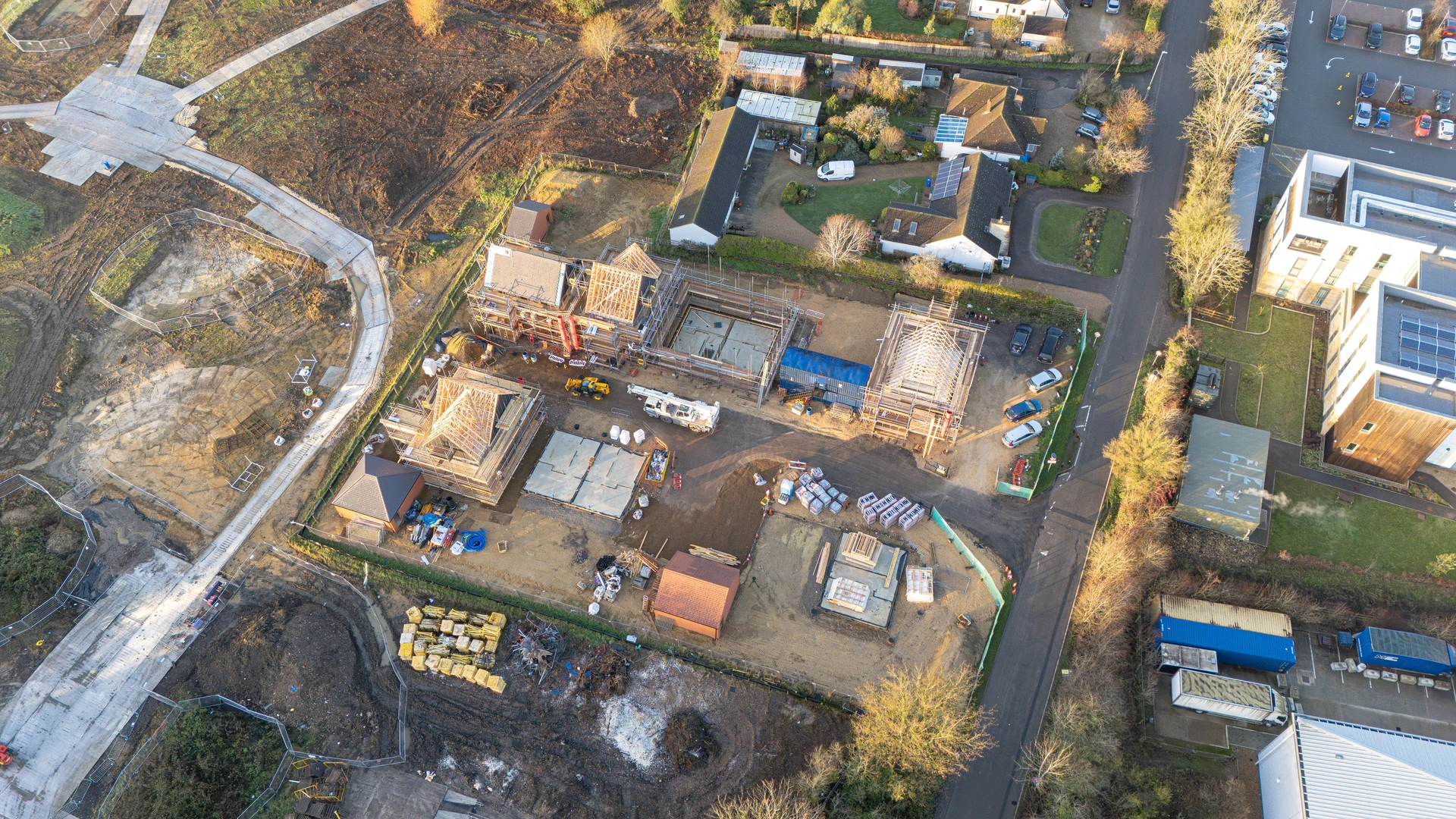
When planning building, renovation or maintenance work, scaffolding is often needed to provide safe access to areas that cannot be reached easily from the ground. What many people do not realise is that there are different types of scaffolding, and the right option will depend on the property, the work being carried out and the level of access required.
Choosing the correct scaffold setup helps improve safety, support the trades on site and keep the project running more efficiently.
Single scaffolding
Single scaffolding is commonly used for brickwork and general external building works. It is usually built parallel to the wall, giving trades safe access to the areas they need to reach.
This type of scaffold is often used on straightforward domestic and commercial projects where access is required along one side of a building.
Double scaffolding
Double scaffolding is often used for stonework, masonry and projects where additional support is needed. Instead of relying on the building itself for support, it uses two rows of standards to create a stronger structure.
This can make it a suitable option for older properties, stone buildings or more demanding repair works.
Cantilever scaffolding
Cantilever scaffolding is used when the ground below cannot support a standard scaffold, or where access at ground level is restricted. It is supported from the building rather than being built directly from the ground.
This type of scaffold can be useful on sites with narrow pavements, busy access routes, obstacles or limited space around the property.
Suspended scaffolding
Suspended scaffolding is lowered from above and is often used where access from the ground is not practical. It can be used for work on tall buildings, external maintenance, cleaning, painting or repairs.
Because of the way it is installed and operated, suspended scaffolding requires careful planning and the right level of competence.
Trestle scaffolding
Trestle scaffolding is usually used for lower-level indoor work, such as painting, plastering, ceiling repairs or light maintenance. It is supported by tripods, ladders or movable frames rather than a full scaffold structure.
It is best suited to smaller jobs where only limited height and access are needed.
Steel scaffolding
Steel scaffolding is widely used across construction, refurbishment and maintenance projects. It is strong, durable and suitable for a wide range of domestic, commercial and industrial applications.
Because of its strength and flexibility, steel scaffolding is one of the most common choices for larger or more complex access requirements.
Patented scaffolding
Patented scaffolding uses ready-made frames and fittings that are designed for quicker assembly. It can be useful for certain projects where speed, consistency and ease of installation are important.
The suitability of patented scaffolding will depend on the site, the height required and the type of work being completed.
How do you choose the right scaffolding?
The right type of scaffolding depends on several factors, including the height of the building, the condition of the ground, the type of work, access restrictions and how long the scaffold will be needed.
A professional scaffolding contractor will usually assess the site before recommending the best option. This helps make sure the scaffold is safe, practical and suitable for the project.
Final thoughts
There are many different types of scaffolding, each designed for different access requirements. For most projects, the best option will depend on the site layout, the work being carried out and the level of safety and support needed.
Getting the scaffold planned properly from the start can help avoid delays, improve access for trades and keep the project moving safely.

